
The quickest way to relieve a toothache before root canal treatment is to use over-the-counter anti-inflammatories, apply a cold compress, and practice gentle home care until your visit.
Dental pain from an infected tooth or inflamed dental pulp can be extremely severe. It rarely improves without proper treatment for the tooth infection. The good news is that a few safe, effective techniques can significantly lessen your discomfort in the hours or days before your dentist sees you.
This article covers every proven way to manage tooth nerve pain at home. It also explains which habits to avoid and when to seek emergency dental care rather than wait any longer.
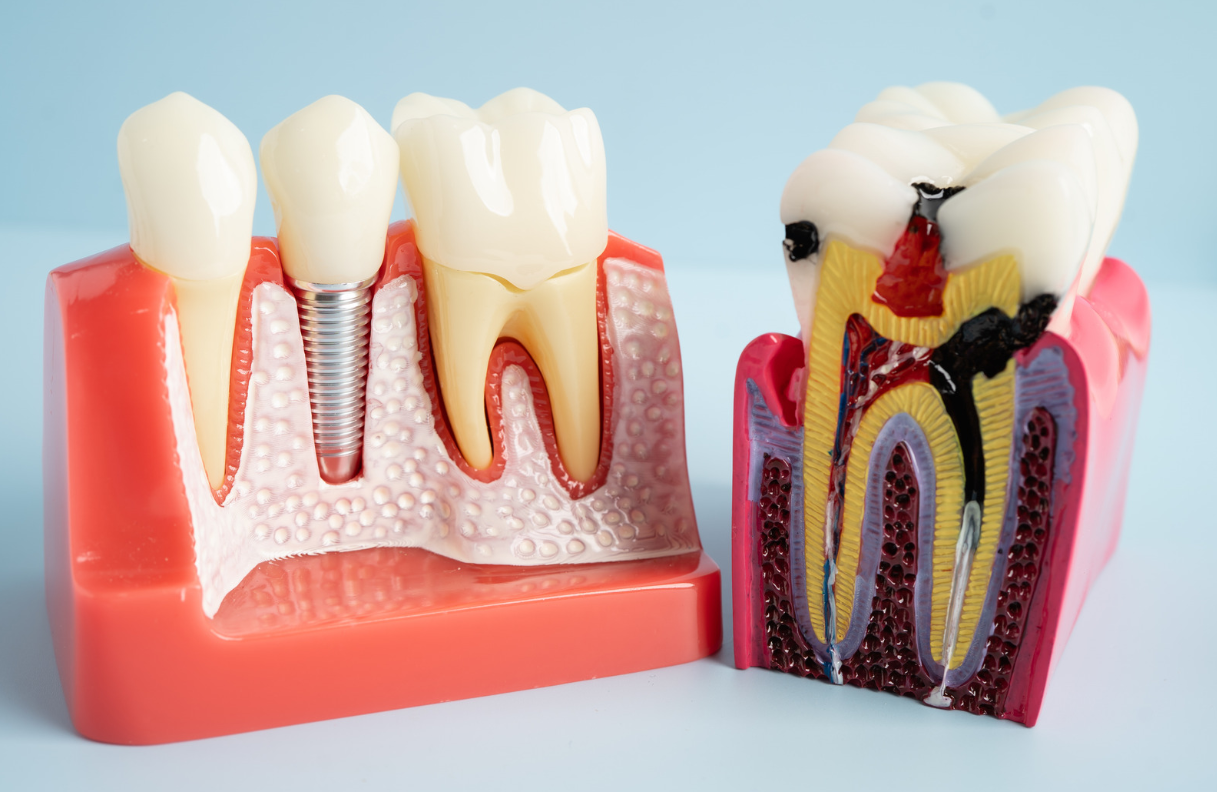
Why Does a Tooth Hurt So Much Before a Root Canal?
Inside, each tooth has a pulp chamber containing the dental pulp. This includes soft tissue, nerves, and blood vessels. When bacteria from decay, a crack, or trauma enter this inner tissue, it causes pulpitis. This inflammation of the tooth nerve causes the intense, throbbing pain that most patients experience before getting a root canal.
If the infection progresses, it can spread beyond the root, form a periapical abscess, and cause swelling, fever, and radiating jaw pain. According to the American Association of Endodontists, more than 15 million root canals are done in the US every year. The sooner an endodontist or dentist treats the infected pulp, the sooner the pain can stop.
Over-the-Counter Medications for Tooth Pain
Ibuprofen (Advil or Motrin) is the most effective over-the-counter option for dental pain. It lowers both pain signals and inflammation around the dental pulp. Studies consistently show it outperforms acetaminophen alone for toothache relief due to its dual anti-inflammatory and analgesic action.
If you cannot take ibuprofen because of stomach sensitivity, kidney issues, or blood thinners, acetaminophen (Tylenol) is a safe alternative. Some dentists suggest alternating between the two at staggered intervals to achieve stronger combined relief before endodontic treatment. However, you should always confirm this approach with your provider first.
Important Note: Never exceed the recommended dose, and avoid applying aspirin directly to gum tissue, as it can cause chemical burns.
Home Remedies That Genuinely Ease the Pain
Cold Compress
Apply an ice pack wrapped in a tiny towel to the outside of your cheek for 10 to 15 minutes at a time, with equal pauses between. Cold constricts blood vessels, lowers swelling, and temporarily numbs the area. This makes it one of the most trusted, effective tools for managing dental pain before root canal treatment. Never apply ice directly to the tooth itself. The thermal shock to an already inflamed tooth nerve can significantly worsen the pain.
Warm Salt Water Rinse
Before spitting, mix half a teaspoon of salt in a glass of warm water and gently swish around the painful area for 30 seconds. Salt water draws fluid from inflamed tissue, reducing swelling and bacterial load around the infected tooth. It can help maintain oral health while you wait for appropriate treatment for the tooth infection. Repeat two to three times a day. This is one of the safest home remedies.
Clove Oil
Clove Oil includes eugenol, a natural compound with genuine local anesthetic and antibacterial properties that has been used in dentistry for over a century. Apply a small amount to a cotton swab and gently dab it onto the sore tooth and surrounding gum. The numbing effect lasts for 20 to 30 minutes. It can effectively lower tooth nerve pain between medication doses.
Elevate Your Head
When you lie flat, blood pressure in your brain increases, which is why tooth infection pain often feels much worse at night. Propping your head up with extra pillows helps prevent blood pooling near the inflamed dental pulp. It’s a simple, free adjustment that makes a big difference before your endodontic therapy appointment.
Foods and Habits to Avoid Before Your Appointment
For now, it is best to avoid meals that are hot, cold, sugary, or acidic. Temperature extremes send severe pain signals from an inflamed tooth nerve. However, sugar and acid feed the bacteria that worsen the dental abscess.
Choose soft, room-temperature foods such as yogurt, mashed potatoes, or scrambled eggs. Don’t chew on the affected side because every bite puts pressure on already-inflamed tissue. Keep brushing and flossing gently on the other teeth to prevent overall bacterial buildup.
Also, if you smoke, try not to do so in the days before your visit. Smoking causes inflammation, reduces blood flow, and slows healing after cavity treatment or endodontic treatment.
Frequently Asked Questions
What is the fastest way to stop toothache pain before a root canal?
The best combination for toothache relief is ibuprofen for inflammation, a cold compress on the face for numbing, and clove Oil applied directly to the sore area for temporary local anesthesia.
Can I take ibuprofen for tooth nerve pain?
Yes, ibuprofen is one of the most effective over-the-counter treatments for tooth nerve pain. It reduces the pain and inflammation around the inflamed dental pulp.
Does a warm saltwater rinse help with toothache pain?
Yes, it pulls fluid from the inflamed tissue around an infected tooth, reduces bacterial load near the dental abscess, and soothes irritated gums. It is one of the safest home remedies for dental pain with no negative side effects.
Why does tooth pain get worse at night?
Lying down increases blood pressure in the head. This causes more blood to pool around the pulp chamber and worsens the throbbing. It is one of the easiest ways to manage tooth infection pain overnight.
Will a root canal stop the pain completely?
Yes, root canal treatment relieves pain by removing infected pulp and completely cleaning the root canals inside the tooth.
Final Thoughts
The three essential methods for toothache relief before root canal treatment are anti-inflammatory medication, cold compresses, and gentle home care. According to the American Dental Association, delaying endodontic therapy allows infections to spread and complicates what should otherwise be a simple procedure. As a result, managing pain at home is always a temporary solution, never a substitute for treatment.
At Missouri Gardens, we understand that dental pain doesn’t always wait. We prioritize seeing urgent cases as soon as possible. Whether you require a same-day consultation for tooth infection treatment, advice on managing pain before your visit, or a full dental checkup to detect problems before they become emergencies.
Schedule your consultation at Missouri Gardens now because the sooner the infected pulp is treated, the sooner you can stop hurting.