
When you think about a root canal treatment, the first thought that comes to mind is the fear of pain. This is a question most patients ask when told they need this procedure. But is root canal treatment painful?
The truth will surprise you. In fact, root canal therapy has changed a lot, and many modern techniques make it a relatively painless procedure. Let us outline the facts about this dental treatment, how it restores dental health, and what you can expect throughout the procedure.

What is Root Canal Treatment?
A root canal treatment is a procedure that is designed to repair and save your severely decayed or infected tooth. It involves removing infected tissue from the tooth and cleaning the area to prevent further infection. This space is then filled and sealed. This tooth-restoration process helps preserve your tooth and is an important part of family dentistry.
While the idea of a tooth infection can be scary, it is important to note that untreated infections can cause severe pain and the potential loss of your tooth. The good news is that modern root canal techniques make this procedure more comfortable and painless than ever.
Is Root Canal Treatment Painful?
As we know, one of the major misconceptions about root canal treatment is that it is very painful. No doubt root canal therapy was associated with discomfort in the past, but that is no longer the case. Today, painless root canal procedures are made possible by dental anesthesia and advancements in endodontic care.
The procedure is usually done under local anesthesia, which numbs the area around your affected teeth. It means you will not feel any pain during the treatment. You may feel some pressure or discomfort, but the actual process itself is not painful.
What Happens During the Procedure?
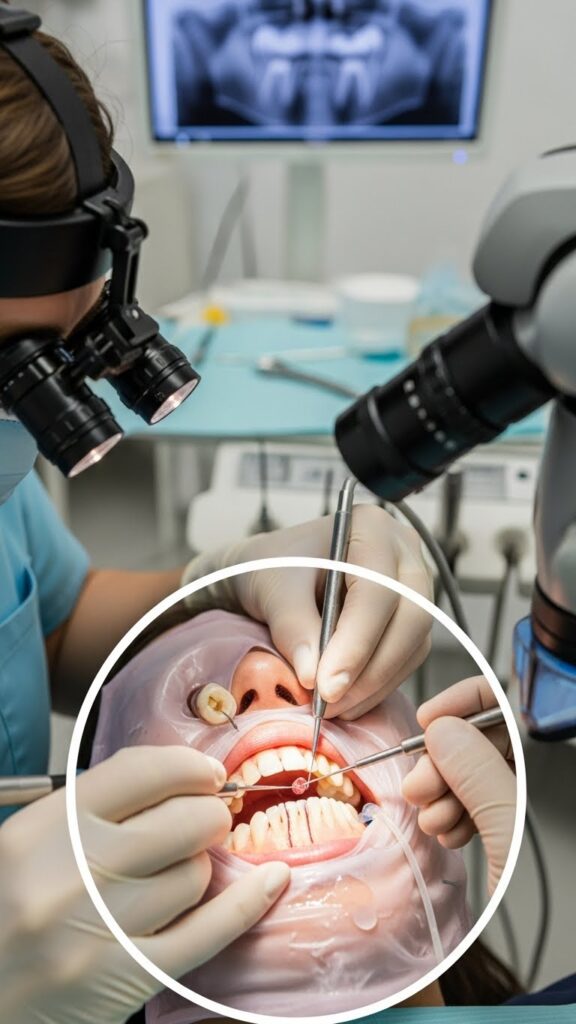
During the root canal treatment, the dentist or endodontist will start by cleaning your tooth and removing the infected tissue. After root canal preparation, the root canal is shaped, cleaned, and disinfected to remove bacteria. After this, the area is filled with a special material to seal the tooth and avoid any infection. In some cases, a tooth may require a crown for added protection and strength, especially if a large portion is removed.
The procedure is typically completed in one or two visits to the dental clinic and takes 60-90 minutes, depending on the complexity of your case.
What About After the Procedure?
After the procedure, you may experience mild discomfort or sensitivity for a few days. However, this is usually temporary and can be managed with effective pain relievers. If you have any concerns during your root canal recovery, your dentist or a Clearwater dentist will provide clear instructions on managing discomfort.
In fact, root canal therapy recovery is faster and easier than people expect. Once the infection-related pain is eliminated, most patients feel much better after the procedure. It makes the benefits of root canal treatment clear: pain relief and the ability to save your tooth from extraction.
Modern Techniques Make It Easier Than Ever
Be grateful for modern root canal techniques, because you do not have to worry about the procedure being painful. Gentle dental treatments and improved equipment have made the process smoother and more efficient. As these advancements in dental pain management make the treatment as comfortable as possible, be sure that your experience is not stressful at all.
With proper care, a root canal procedure is similar to a routine dental cleaning. The use of local anesthesia is a positive thing that numbs the treated area, so you will not be uncomfortable during the treatment itself.
How Long Does It Take to Recover from a Root Canal?
Root canal recovery needs just a few days. During the first 24-48 hours, you may experience tenderness around the treated area, especially if there is significant infection or inflammation. However, this is normal and will resolve within a few days.
Remember to follow your dentist’s aftercare instructions, such as avoiding chewing on the treated tooth until it is fully restored with a crown. This indicates that the tooth heals properly and prevents further complications. If you experience any unusual pain or swelling, you should contact your dentist for guidance.
FAQs About Root Canal Treatment
1. Is a root canal procedure painful?
No, root canal procedures are not painful because they are performed under local anesthesia. Many patients experience little to no discomfort during the procedure.
2. How long does it take to recover from a root canal treatment?
Most people face a little discomfort for a few days after the procedure. Full recovery can take about 1-2 weeks, which depends on the individual and the complexity of the case.
3. What are the root canal benefits?
The major benefits are relief from tooth pain, the preservation of the natural tooth, and the ability to restore the tooth’s function and appearance.
4. Are there modern techniques to make the root canal procedure easier?
Yes! Modern root canal techniques have increased the comfort and efficiency of the treatment. Gentle dental treatments and advanced technology guarantee a smoother experience.
5. Will I need a crown after a root canal?
In some cases, dental crowns are recommended after a root canal to provide extra protection and strength to your treated tooth. Your dentist will advise you on the best course of action for your specific situation.
6. Can a root canal be done in one visit?
Yes, a root canal can also be completed in a single visit. However, for some more complex cases, there may be a need for a second appointment.
Why Choose a Missouri Gardens Dental?
At Missouri Gardens Dental, our team works day and night to deliver remarkable dental care according to your specific needs. Our latest advancements in dental technology deliver precise, effective treatments to ensure you receive the best possible care. Our experienced dentists and friendly staff work together to create a relaxing atmosphere and make your visit as enjoyable as possible. We promise a radiant smile that lasts a lifetime.
Final Thoughts!
If you need a root canal treatment but avoid it due to fear of pain, just put those worries to rest. It is because of modern root canal techniques that the procedure is easier and less painful. Not only will you feel relief from the pain of infection, but you will also be saving your natural tooth, which is important for your dental health.
If you live in Clearwater or the surrounding areas and need a gentle dentist for root canal therapy, schedule a consultation with our experienced team. Here, we provide the highest-quality care and ensure your dental comfort is a priority.